
Furniture Restoration for Vegans: A Complete Guide to Plant-Based Stripping, Cleaning, and Finishing
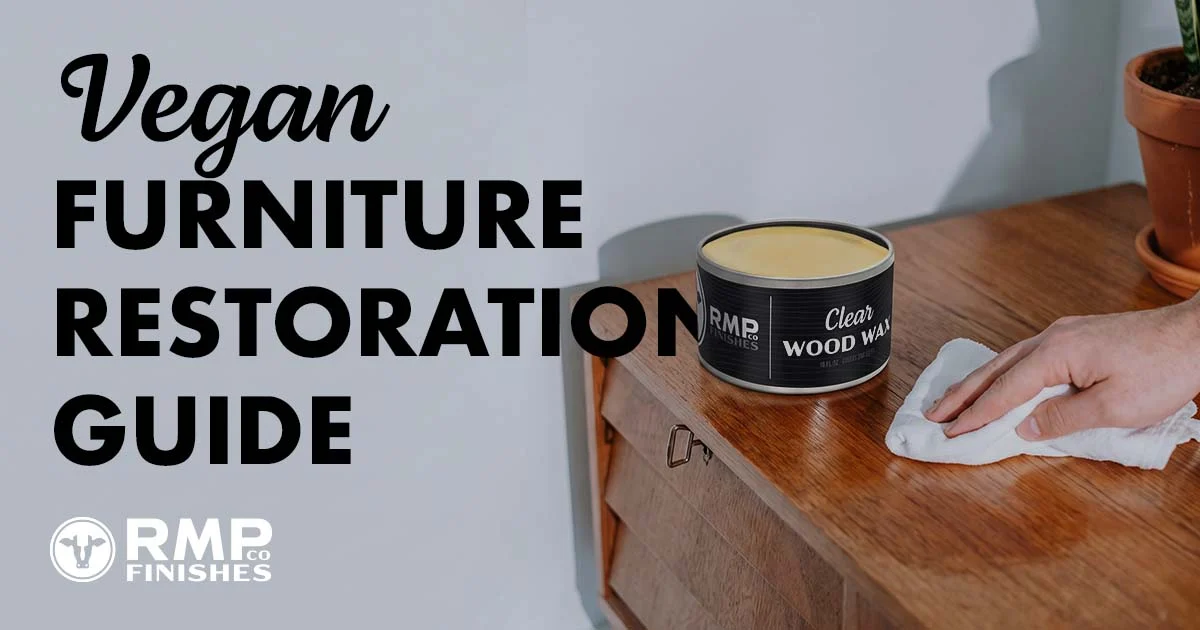
Breathing new life into an older table, chair, or dresser is one of the most rewarding aspects of sustainable DIY. Restoring a usable piece extends its service life and reduces the need for replacement furniture and raw materials. However, traditional refinishing products often rely on animal byproducts.
Vegan furniture restoration is the process of repairing and refinishing furniture without products made from animal-derived ingredients. The Vegan Society defines veganism as seeking to exclude animal exploitation wherever possible and practicable, and this principle can guide the selection of furniture-care products. From removing old coatings to conditioning dry surfaces, plant-based options like soy-based strippers, citrus- and pine-derived solvents, tung, hemp, and walnut oils, and carnauba wax offer highly effective alternatives.
RMP Finishes offers options for each restoration stage, giving DIYers and professionals a practical approach to plant-based restoration without sacrificing the wood’s appearance or the protection it needs.
Plant-based Restoration Products From RMP Finishes
| Restoration stage | Product | Best use |
| Stripping | Soy Gel | Removing paint, varnish, urethane, shellac, and other coatings |
| Cleaning and preparation | Citrus or Pine Solvent | Removing wax and grease; thinning compatible oils |
| Penetrating finish | Pure Tung Oil | Durable protection with a natural appearance |
| Ready-to-use oil | Half & Half | Tung oil protection without separate mixing |
| Darkening oil | Dark Tung Oil | Adding warmer color and grain contrast |
| Ready-to-use dark oil | Dark Half | Color and protection without separate mixing |
| Light-duty finish | Hemp Oil | Conditioning lightly used furniture |
| Oil-and-wax finish | Wood Wax | Conditioning raw wood and adding color or sheen |
Step-by-Step Process for Restoring Furniture the Vegan Way
Follow these four steps to carefully remove old coatings, prepare the wood, apply a plant-based oil, and add a beeswax-free wax.
Step 1: Strip Unwanted Coatings With Soy Gel
Old paint or varnish can block a new oil from entering the wood. When a coating is failing, or you want bare wood, start with Soy-Gel Professional Paint Remover. Made from soybeans, this gel formula removes unwanted paint, varnish, urethane, shellac, and other coatings.
- Apply it according to the label and allow time to work.
- Once the finish has softened, mechanical removal with scrapers or other hand methods is preferable to aggressive chemical stripping.
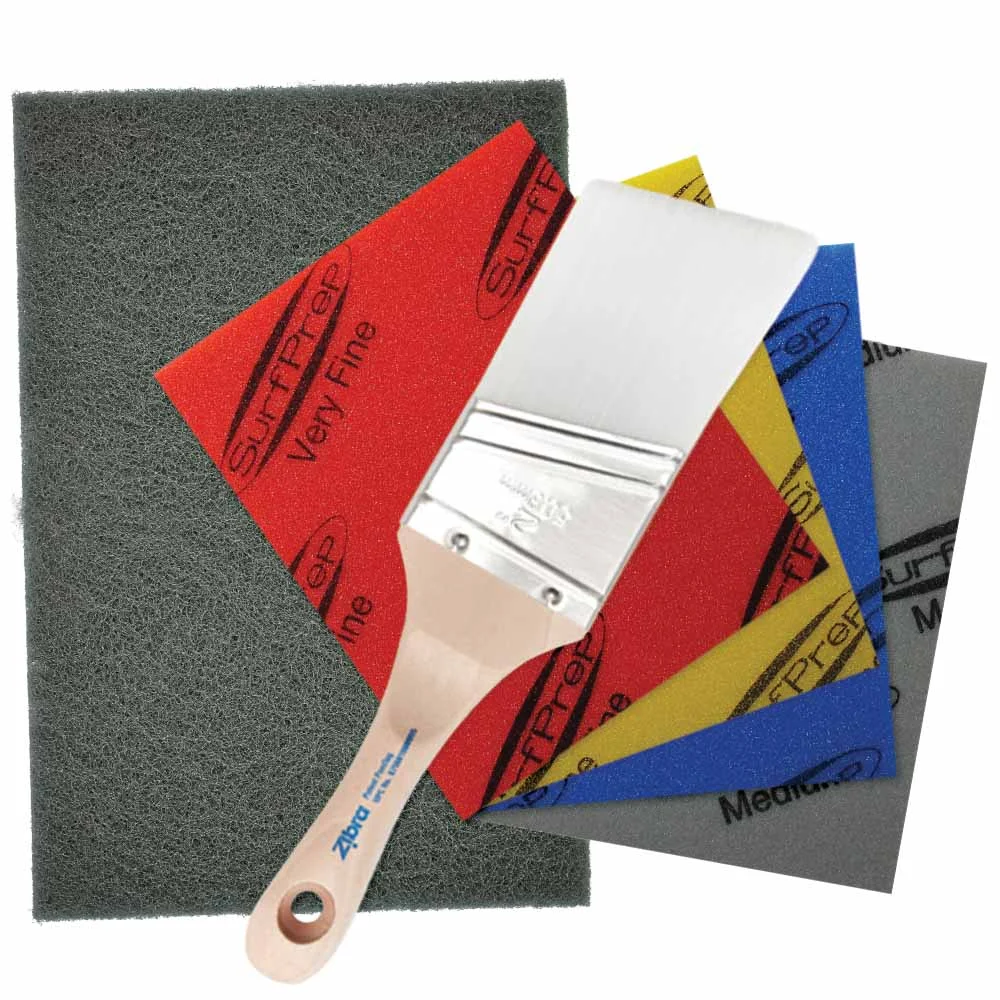
- Use a brush to reach carvings, corners, and vertical panels.
- Complete the specified cleanup and let the wood dry before sanding or finishing; residue in the grain can interfere with the next step.
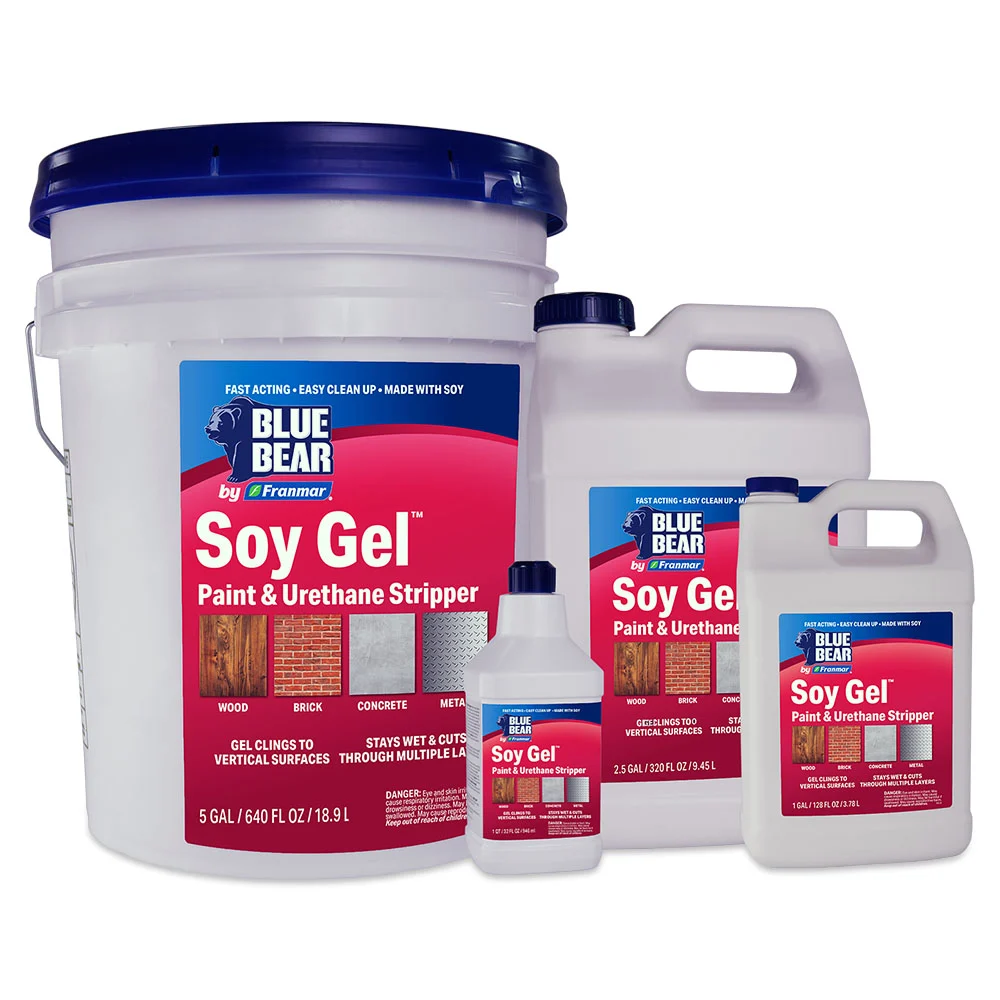
Soy-Gel Professional Paint Remover
Step 2: Clean and Prepare With Citrus or Pine Solvent
A bare-looking surface can still hold wax, grease, or oily residue. Citrus Solvent and Pine Solvent provide plant-derived options for cleaning and preparation. Both can also thin compatible tung oil products.
- Citrus Solvent: Made from citrus peel oil, it cleans greasy surfaces, dissolves waxy buildup, and prepares wood for an oil finish while leaving a citrus aroma.
- Pine Solvent: Distilled from pine terpenes, it handles similar tasks but has a pine aroma and can be economical for larger projects.
Follow directions and let either solvent evaporate before finishing.
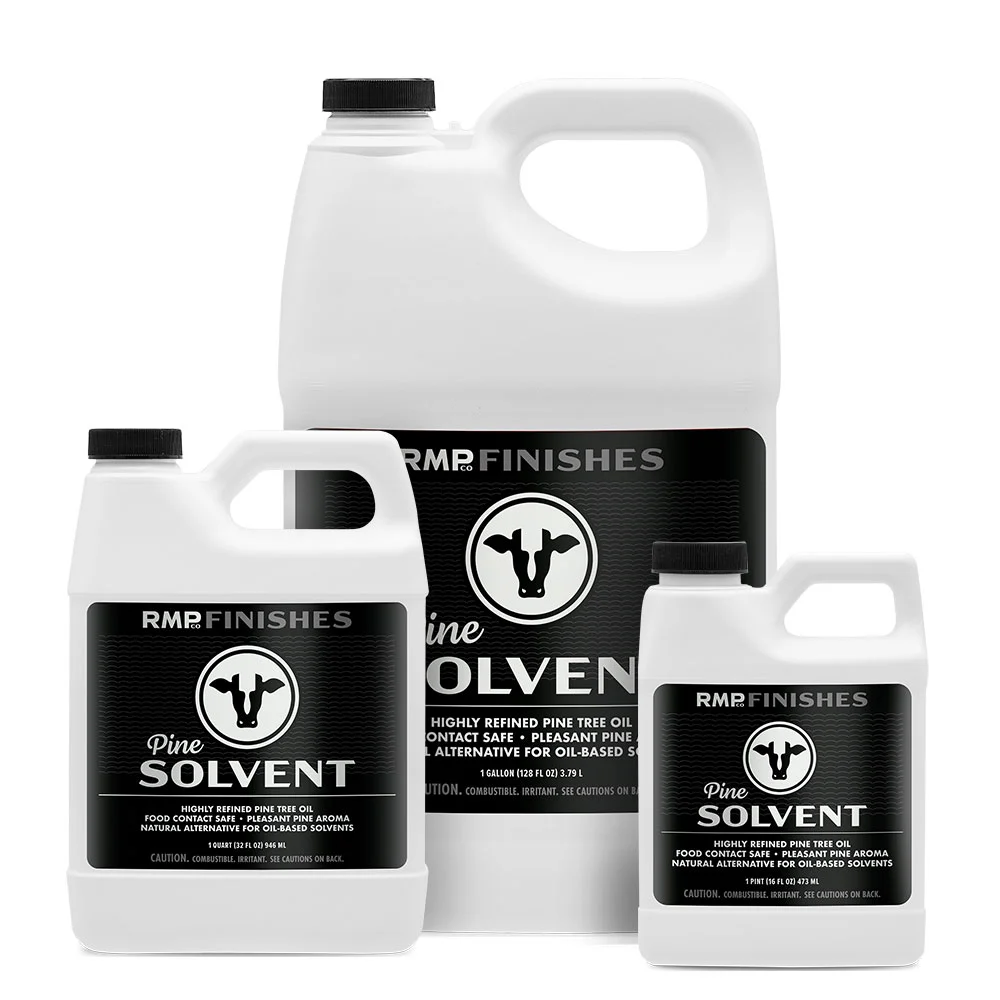
Pine Solvent
Step 3: Choose a Vegan-Friendly Finishing Oil
Plant-based finishing oils penetrate porous wood rather than forming a thick film on the surface. They highlight grain and color while providing different levels of protection. RMP Finishes offers five vegan-friendly choices:
- Pure Tung Oil: Pressed from tung tree seeds, it cures into a flexible, water-resistant finish that does not peel or flake. It usually needs thinning, especially for early coats or dense wood, so pair it with Citrus or Pine Solvent.
- Half & Half: Combines Pure Tung Oil with Citrus or Pine Solvent, eliminating the need for separate measuring and mixing. It suits first-time users and restorers who want consistent proportions.
- Dark Tung Oil: Adds rich color and grain contrast, suiting antique or rustic furniture. Thin it with solvent for proper penetration.
- Dark Half: Combines Dark Tung Oil with solvent in a ready-to-use blend. Choose it for an aged, warm appearance without mixing the finish yourself.
- Hemp Oil: Pressed from industrial hemp plants, its thin consistency penetrates porous wood without a separate solvent. It offers less resistance to water and heavy wear than fully cured tung oil, so reserve it for lighter use on side tables or decorative furniture.
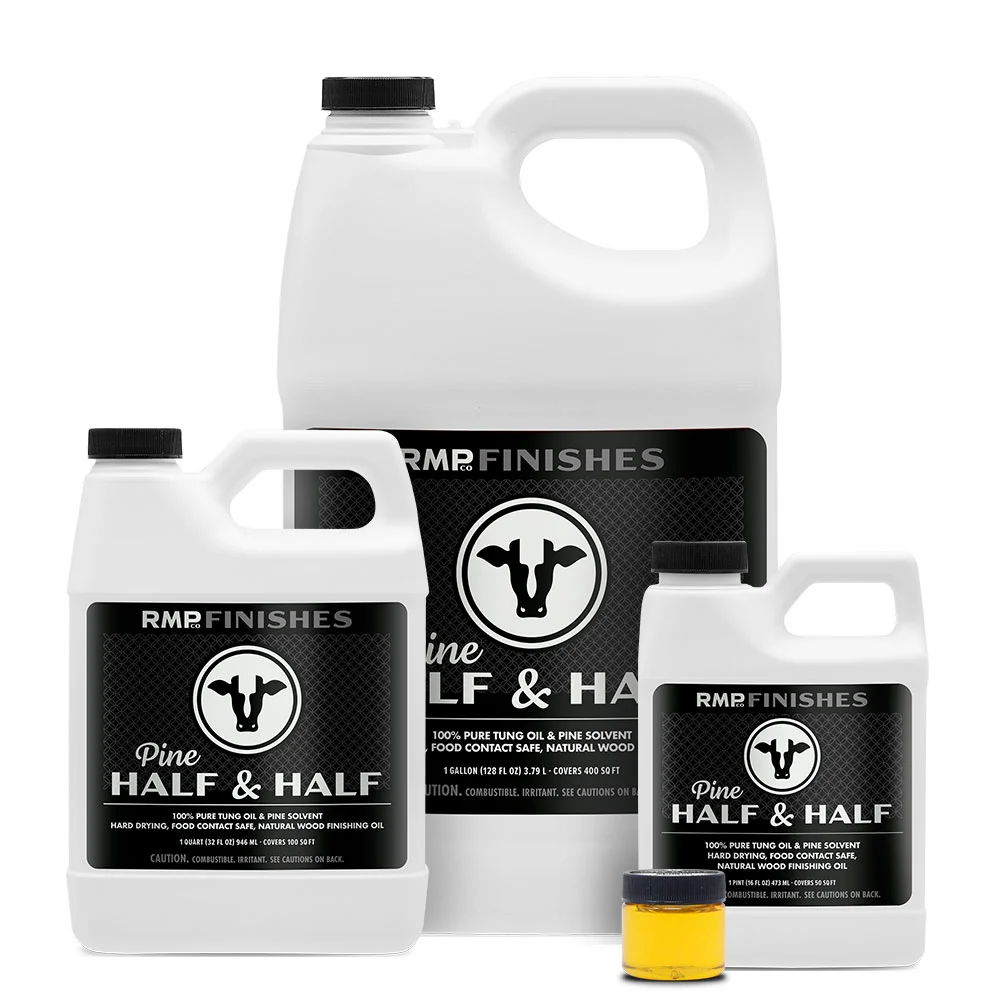
Half & Half
Pro Tip: Understanding wood density is essential. Always account for your wood species. Open-grain woods soak up finishes rapidly, while dense woods require finishes that are appropriately thinned with Citrus or Pine Solvent to ensure proper penetration rather than pooling on the surface.
Step 4: Choose the Right Wax Finish
Wax can condition raw wood, enrich or alter its tone, add a soft sheen, and provide a final layer of protection. Wood Wax features a verified plant-based formula combining carnauba wax and walnut oil. Apply it to clean, unfinished wood or over a compatible oil finish once the oil has fully cured.
- Clear: Highlights the natural grain without adding pigment.
- Brown: Creates a warm, aged appearance using vegan-friendly pigments.
- Black: Adds deeper contrast without obscuring the wood’s character.
Apply a thin, even layer, work it into the grain, and buff away the excess. A heavy coat can make buffing more difficult without improving protection.
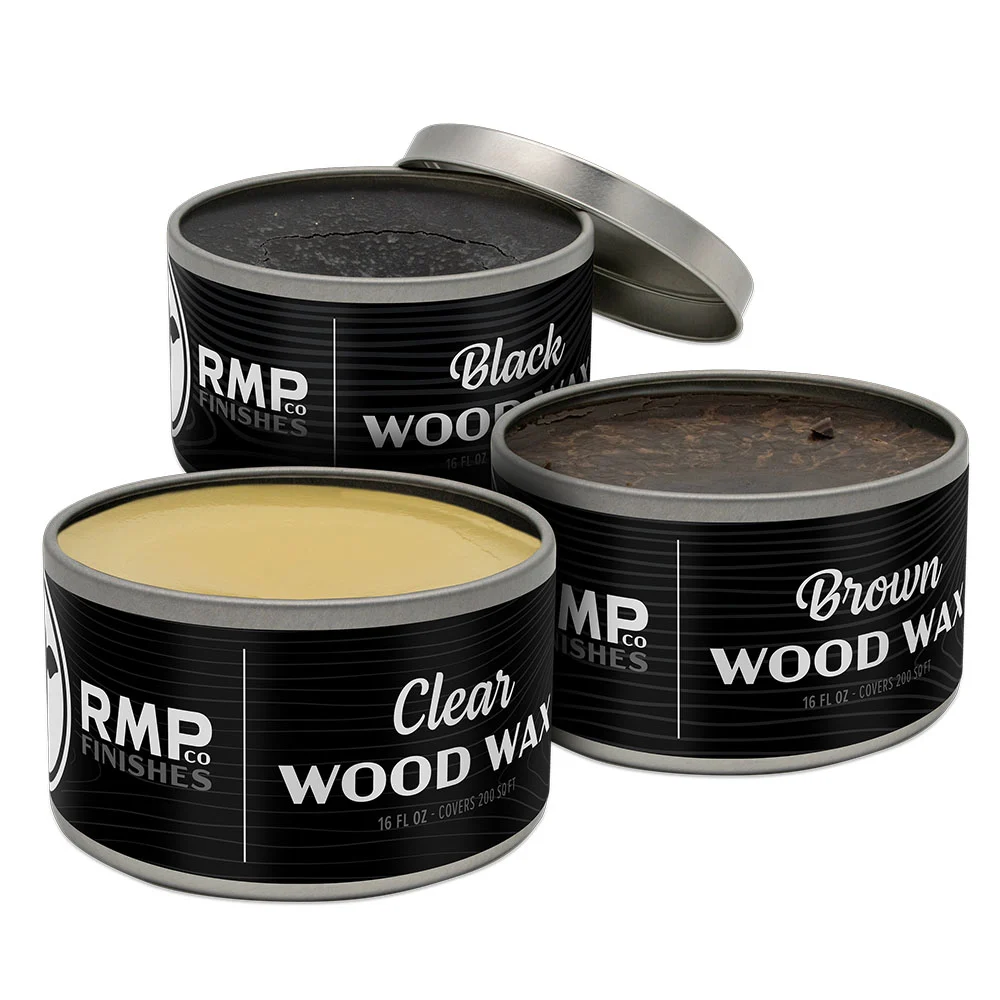
Wood Wax
Common Mistakes to Avoid When Restoring Furniture
- Applying oil over a sealed surface: Remove any coating that blocks absorption before using a penetrating oil.
- Skipping a test area: Test the finish color in a hidden spot before treating the entire piece, since wood species and absorption affect the final tone.
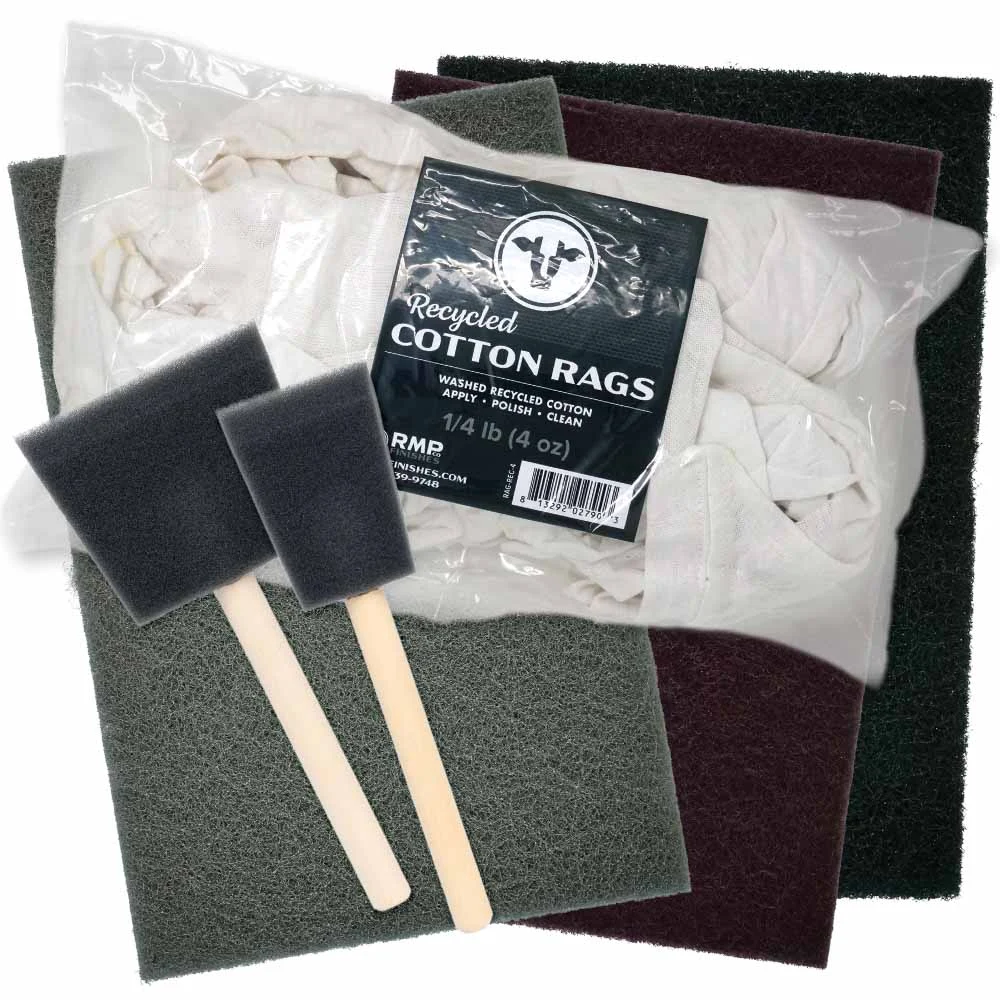
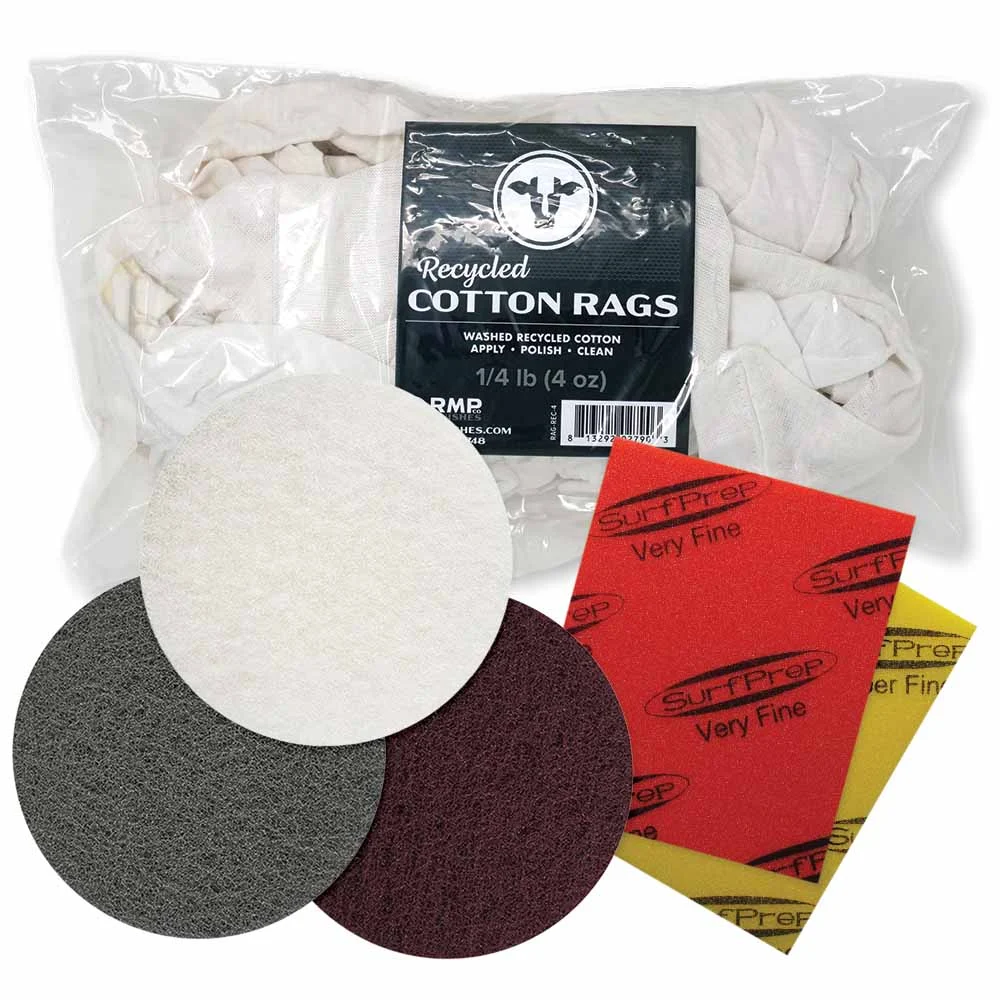
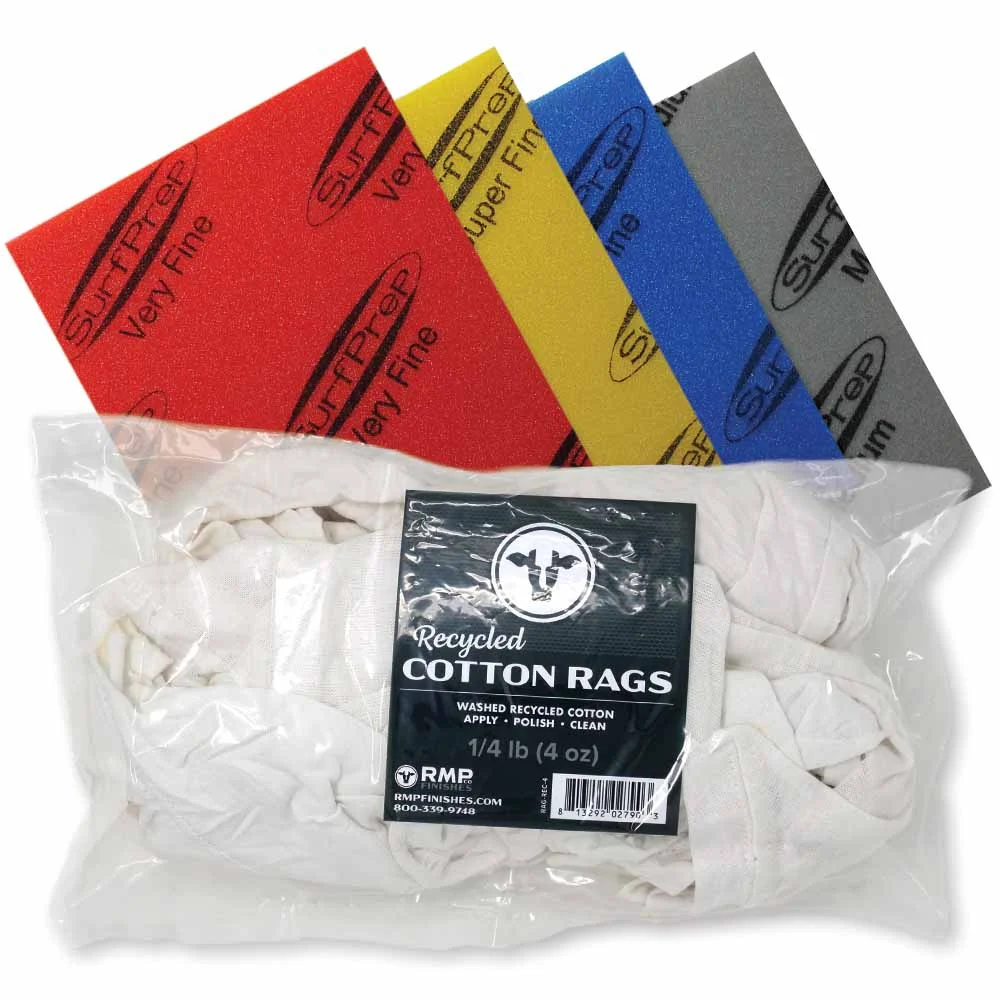
- Sanding too aggressively: Inspect the wood for damage before sanding. If necessary, use natural abrasive pads or standard sandpaper, working through progressively finer grits to reduce the risk of removing too much material.
- Leaving excess oil behind: Let the oil penetrate for the time specified on the label, then wipe away any remaining oil. Excess oil can create a sticky or uneven finish.
- Waxing too soon or applying too much: Wait until the underlying oil has cured before adding wax. Keep the piece out of heavy use for the stated cure period, and apply wax in thin coats for easier, more even buffing.
- Handling used cloths carelessly: The Occupational Safety and Health Administration (OSHA) requires that solvent waste and oily rags on worksites be kept in covered, fire-resistant containers until removal. Follow local disposal rules and never leave oily rags piled together.
FAQs About Plant-based Furniture Restoration
What products can vegans use to restore furniture?
Use Soy Gel for stripping, Citrus or Pine Solvent for preparation, plant-based tung or hemp oils for penetrating finishes, and Wood Wax for beeswax-free sheen and protection. As an added option, some pieces can also be restored through reupholstering with plant-based textiles such as linen, hemp, organic cotton, or jute, while avoiding down feathers, wool batting, horsehair, or silk stuffing in cushions. On suitable items, cactus leather and pineapple-leaf fibers can replace traditional leather.
Is tung oil a vegan wood finish?
Yes. Pure Tung Oil comes from tung tree seeds. Pure Tung Oil, Half & Half, Dark Tung Oil, and Dark Half provide plant-based options for bare, absorbent wood.
Can Wood Wax be applied directly to raw furniture?
Yes. Its walnut oil conditions and enriches clean raw wood, while carnauba wax adds sheen. Clear, Brown, and Black versions provide different color effects.
Which vegan finish is best for high-use furniture?
Pure Tung Oil or Half & Half provides penetrating protection. After it fully cures, Wood Wax can add sheen.
Restore Your Next Piece With Plant-Based RMP Finishes
Furniture restoration for vegans starts with a product system matched to the piece’s condition, wood, color, and daily use. Strip with soy gel, prepare with citrus or pine solvent, protect with tung or hemp oil, and finish with beeswax-free Wood Wax.
Ready to restore your next piece? Explore RMP Finishes’ strippers and removers, natural solvents, finishing oils, and wood waxes to build a complete vegan system from stripping through the final protective sheen.