
VOCs vs. SVOCs: What to Know Before Choosing a Wood Finish
When choosing a wood finish, it is easy to focus on color, sheen, durability, and feel. Those details matter, but so do the ingredients, curing process, and anything added during application.
Two terms often appear on labels and product pages: VOCs and SVOCs. They sound similar but behave differently. Understanding the distinction can help you compare products for furniture, cabinets, floors, cutting boards, and other wood projects.
VOCs vs. SVOCs: The Quick Answer
VOCs, or volatile organic compounds, evaporate relatively readily under normal indoor conditions. They can enter the air during application, drying, and curing.
SVOCs, or semi-volatile organic compounds, evaporate more slowly. They are more likely to remain in materials or settle onto surfaces and indoor dust over time.
Neither acronym tells the whole story. Also consider the ingredient list, surface, ventilation, curing time, and any thinner, cleaner, colorant, or topcoat used with the product.
What Are VOCs?
The U.S. Environmental Protection Agency (EPA) describes VOCs as organic compounds that can evaporate under normal indoor conditions. Possible indoor sources include paints, lacquers, strippers, cleaners, adhesives, building materials, and furnishings.
In wood finishing, VOCs are often associated with solvents used in certain stains, varnishes, lacquers, thinners, and removers. Those ingredients may help a product flow, level, penetrate, or dry, but they may also release vapors during application and curing.
A strong paint or solvent odor may indicate the presence of volatile ingredients, but odor is not a reliable indicator of VOC content or safety. Product directions and safety documentation are more useful than your nose.
What Are SVOCs?
SVOCs are organic compounds with lower volatility. Instead of entering the air as quickly as many VOCs do, they may release gradually and partition among air, surfaces, materials, and dust.
The EPA identifies possible sources including pesticides, cleaning and personal-care ingredients, and additives used in vinyl flooring, furniture, clothing, cookware, food packaging, and electronics. Examples include certain phthalates and flame retardants.
SVOCs are a broader topic in indoor environments than most everyday conversations about wood finishing. Still, the term matters because a “low VOC” or “zero VOC” statement does not describe every ingredient a product may contain or everything it may emit over time.
VOCs and SVOCs: What Is the Difference?
| Question | VOCs | SVOCs |
|---|---|---|
| How do they behave? | Evaporate more readily | Evaporate more slowly |
| Where may they be found? | Air during product use, drying, and curing | Air, materials, surfaces, and dust |
| Do they always smell? | No; odor is not a reliable measurement | No; slow release may occur without a strong odor |
| Why do they matter in finishing? | Some coatings, thinners, strippers, and cleaners contain volatile solvents | Some additives and related household materials may contain semi-volatile compounds |
The key difference is volatility and not whether one category is automatically safe. Each includes many compounds with different properties.
Why VOCs Matter When Finishing Wood Indoors
A finish does not remain a temporary shop product. Once applied, it becomes part of a dining table, kitchen island, cabinet, toy chest, floor, or other surface people live around and touch.
The EPA reports that concentrations of many organic pollutants are often higher indoors than outdoors and can rise during painting or stripping. Ventilation, label precautions, and curing time matter, especially in occupied rooms and small workshops.
A solvent-containing finish is not automatically the wrong choice; it must fit the project and application space.
What Does “Zero VOC” Mean?
“Zero VOC” is useful information, but not a complete safety or emissions profile. Definitions and test methods vary, and the EPA notes that some labels focus on regulated VOC content rather than on all compounds relevant to indoor air.
A zero-VOC claim also does not necessarily mean:
- The product has no odor or chemicals
- It suits every surface or use
- It is automatically food-contact safe
- Ventilation and curing instructions can be ignored
Natural and VOC-free are not interchangeable. A plant-derived solvent can still be volatile. Adding thinner to a solvent-free oil changes the mixture, so review the thinner’s ingredients and safety data and follow its ventilation directions.
Two RMP Finishes Options for Zero-VOC Projects
RMP Finishes offers two distinct options for projects where you want to avoid added solvent fumes.
Pure Tung Oil for a Natural Wood Look
Pure Tung Oil is a single-ingredient oil made from pressed tung tree seeds. Used on its own, it has no added solvent. It penetrates bare, porous surfaces, enriches grain, and hardens through oxidation rather than forming a thick film.
Choose it when you want a natural wood appearance on furniture, countertops, cutting boards, trim, or floors. The surface must absorb the oil, and the finish needs airflow and time to cure. RMP Finishes recommends allowing up to 30 days for full cure.
Read the beginner’s guide to Pure Tung Oil for application guidance. When thinning, remember that the thinner becomes part of the mixture and may change its VOC profile.
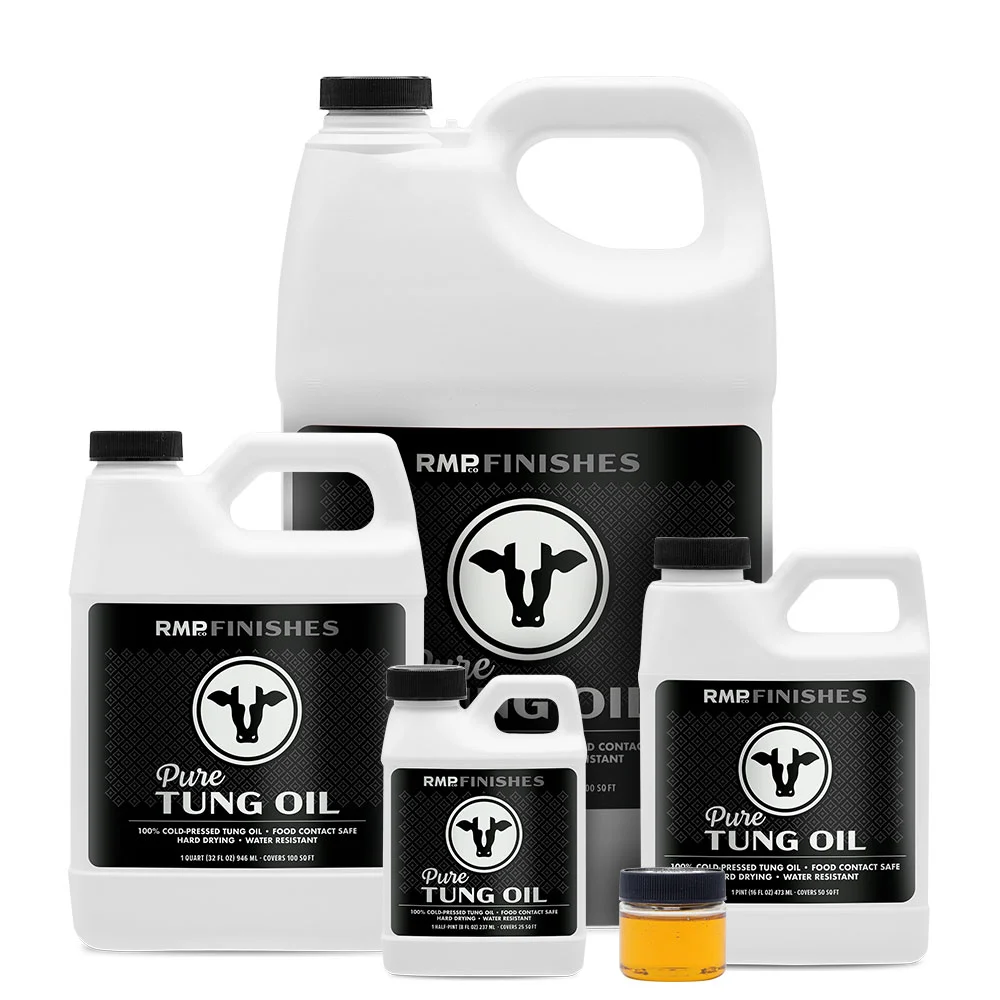
Pure Tung Oil (Chinawood Oil)
Real Milk Paint for Natural Color
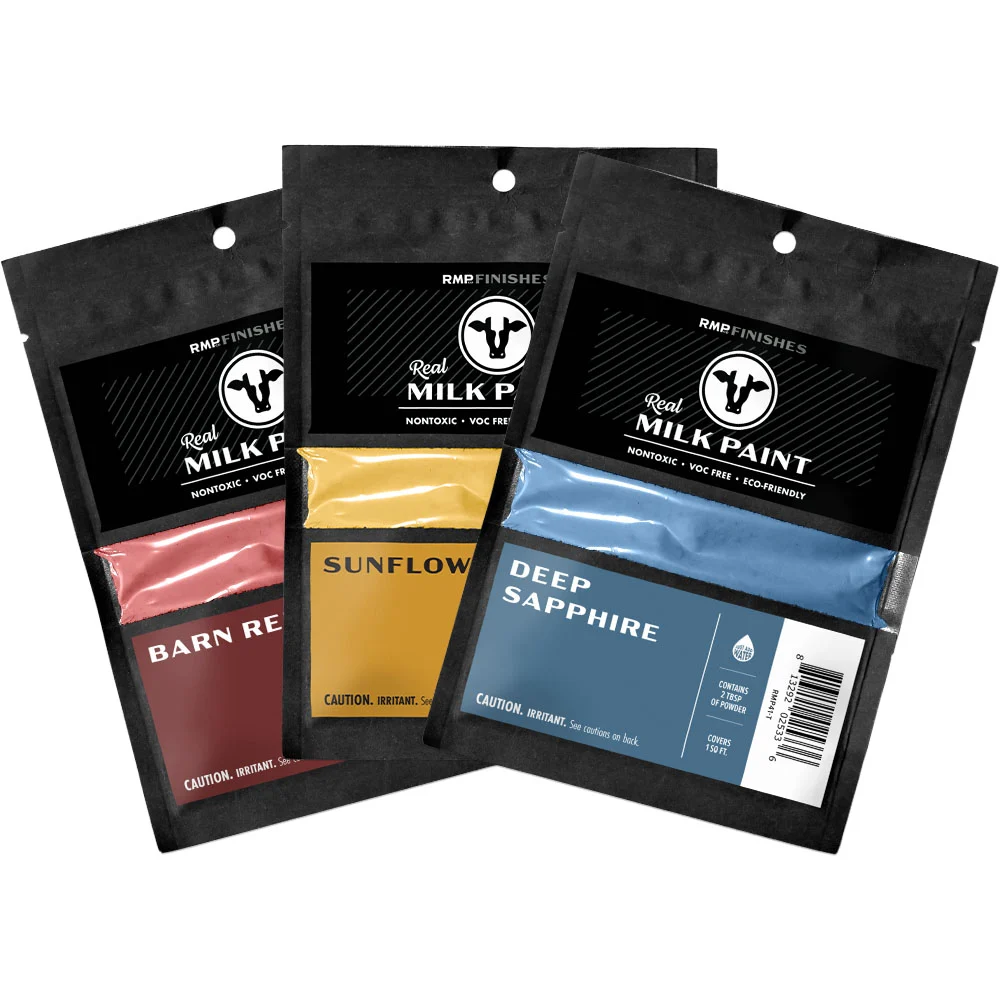
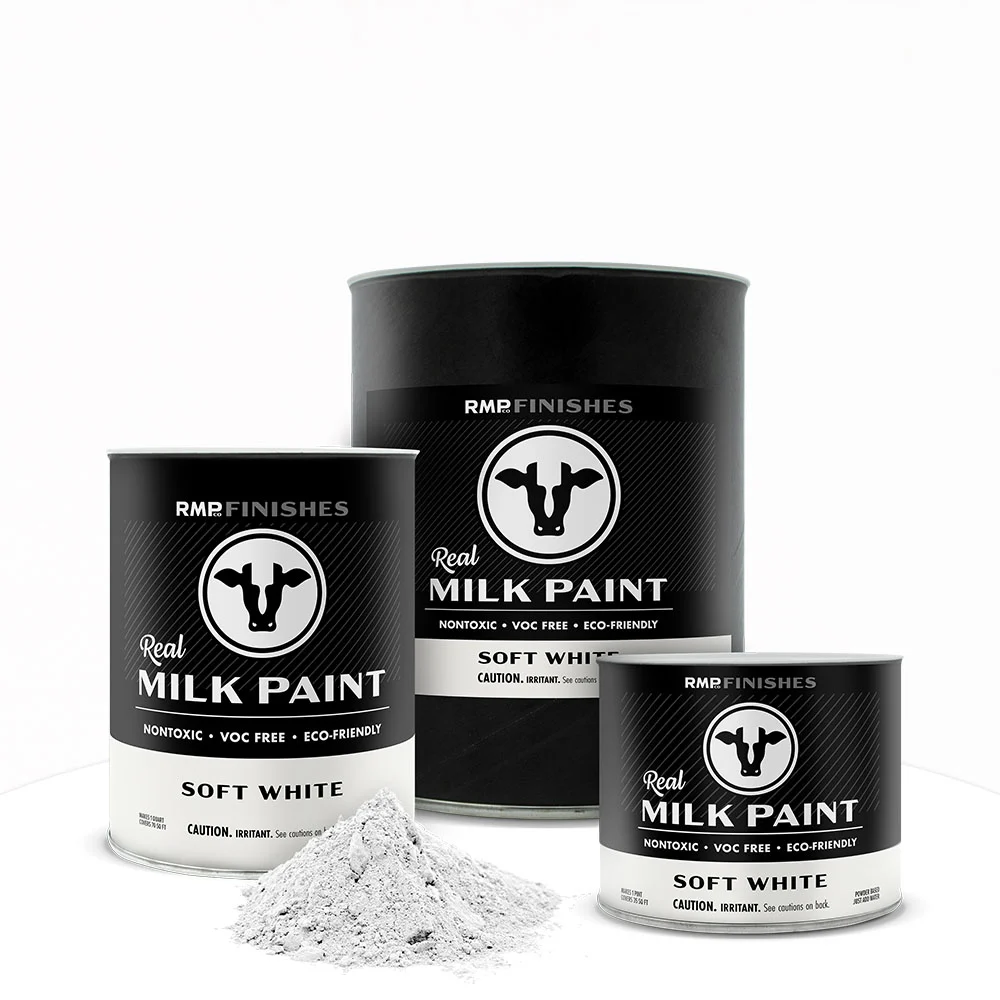
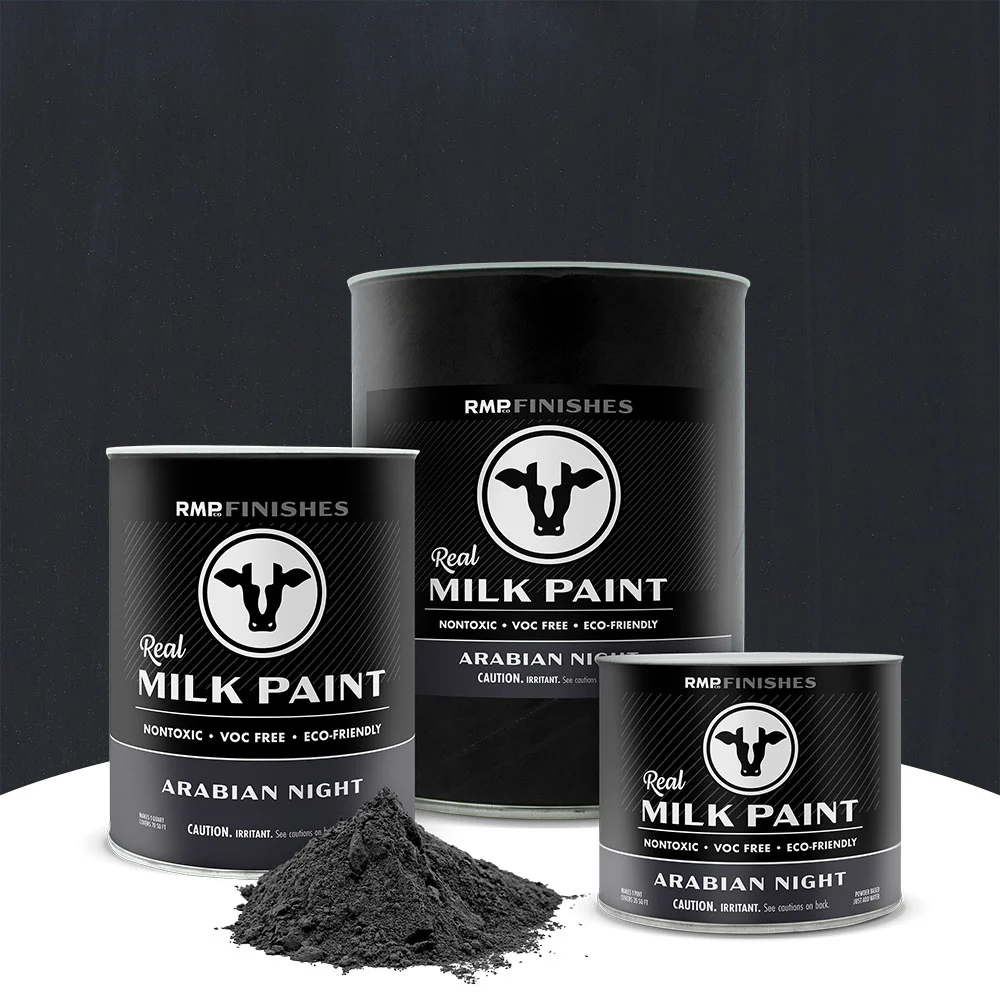
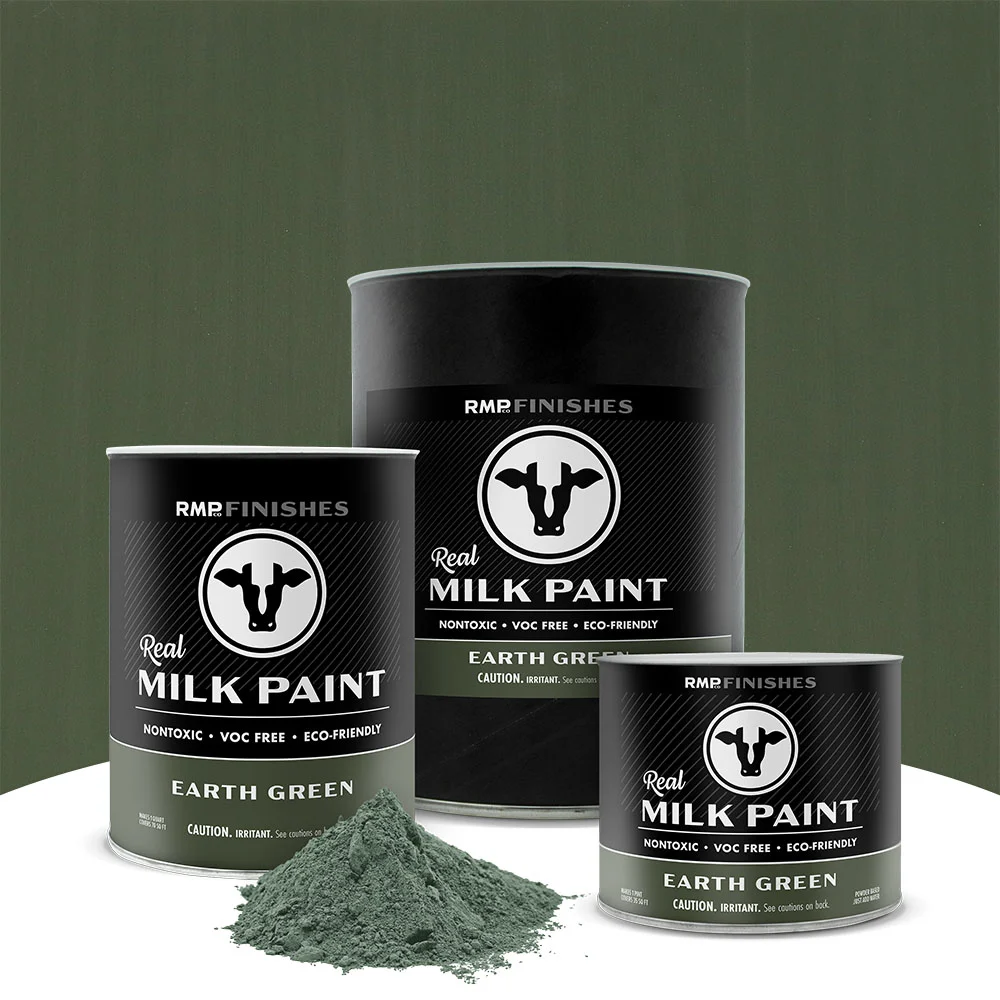
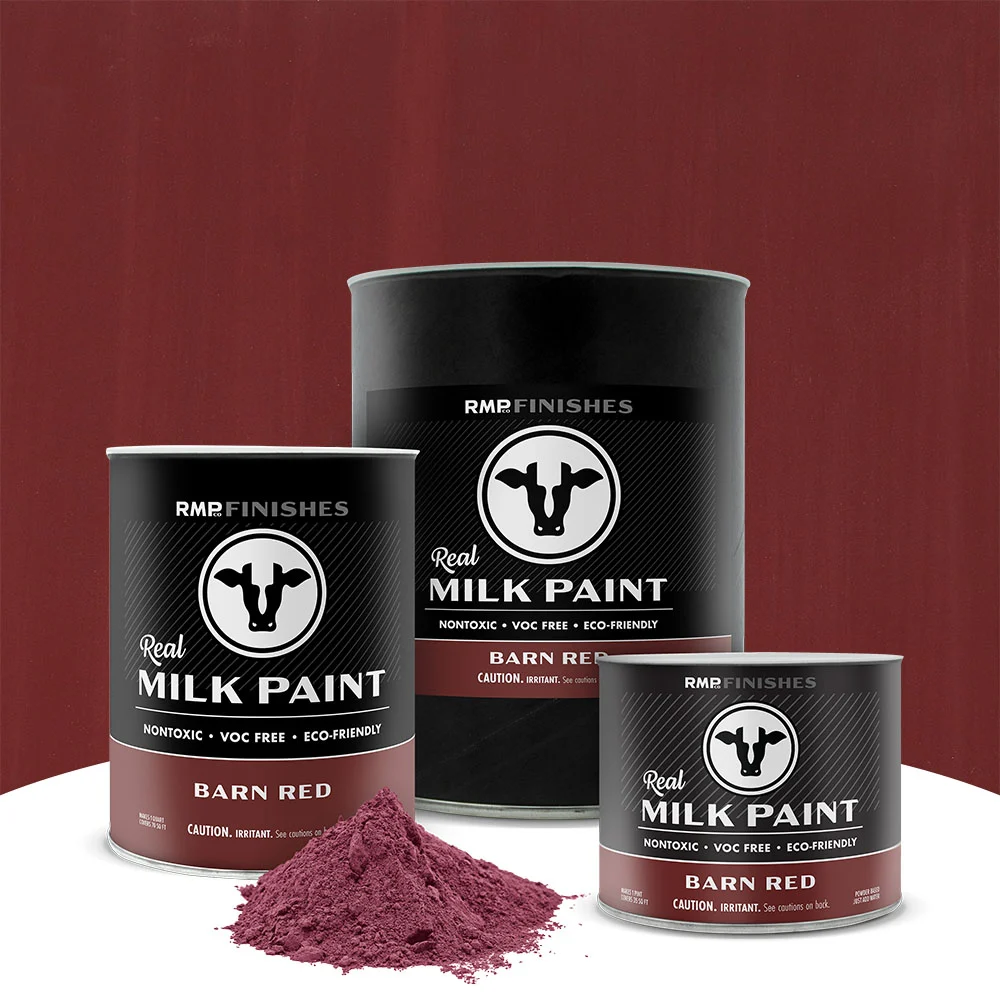
Real Milk Paint® is a powder-based, VOC-free paint made with casein, lime, plant-based filler, and natural pigments. Mixed with water, it creates a matte finish with visible texture and subtle variation.
Choose it when you want color rather than a clear oil finish. It excels on raw, porous wood; sealed or nonporous surfaces may need different preparation or an adhesion promoter. Review the guide to using Real Milk Paint® before starting.
Pure Tung Oil enhances natural grain; Real Milk Paint adds color. Choose according to the look, feel, and performance your project needs.
How to Choose a Wood Finish With Indoor Use in Mind
Before buying a finish, ask these questions:
What are you finishing?
A shelf, a floor, a cutting board, an outdoor chair, and a cabinet have different needs. Match the product to the surface and daily use.
Is the surface bare and porous?
Penetrating oils need access to wood fibers; varnish, wax, paint, or sealer may block absorption. Milk paint also behaves differently on raw and sealed surfaces.
Do you want natural grain or painted color?
Choose a penetrating oil when the grain should remain the focus. Choose milk paint when you want a matte, traditional color finish.
What will you add to the system?
Consider the full system. Thinners, colorants, cleaners, adhesion promoters, and topcoats can change odor, VOC content, and application requirements.
Where will you apply and cure it?
Plan for airflow and enough cure time before heavy use. Follow the label and safety data sheet even with a low-odor or zero-VOC product.
Does the project involve food contact or children’s items?
A zero-VOC statement does not answer those questions. Confirm the intended use, follow cure-time instructions, and consult RMP Finishes’ guide to food-safe wood finishes when appropriate.
Frequently Asked Questions
Are all natural wood finishes VOC-free?
No. “Natural” describes an ingredient’s source, not its volatility. Plant-derived solvents may still contain VOCs, so check the complete formula and safety data.
Does zero VOC mean zero odor?
Not necessarily. Odor and VOC content are related in some products, but smell is not a reliable measurement of emissions or safety.
Should I ventilate when using a zero-VOC finish?
Follow the product directions. Airflow may still support comfortable application and proper curing, and preparation steps such as sanding can create dust.
Which RMP finish should I choose for indoor wood?
Use Pure Tung Oil to enhance bare wood grain with a penetrating oil finish. Choose Real Milk Paint for natural color and a matte, traditional appearance.
Choose the Finish, Not Just the Label
The best finish is not simply the one with the most reassuring label. Its ingredients, performance, preparation, and curing requirements must fit your project.
VOCs enter air more readily, while SVOCs release more slowly and may collect in materials, surfaces, or dust. The distinction helps you ask better questions, but the full finishing system still matters.
For a natural wood appearance, consider Pure Tung Oil. For traditional matte color, explore Real Milk Paint® colors. Browse RMP Finishes’ wood finishing oils to compare options by surface, appearance, and application needs.
Sources
- California Department of Public Health. (2017). Standard method for the testing and evaluation of volatile organic chemical emissions from indoor sources using environmental chambers: Version 1.2. California Department of Public Health. https://www.cdph.ca.gov/programs/ccdphp/deodc/ehlb/iaq/cdph%20document%20library/cdph-iaq_standardmethod_v1_2_2017_ada.pdf
- U.S. Environmental Protection Agency. (2025, July 24). Volatile organic compounds’ impact on indoor air quality. https://www.epa.gov/indoor-air-quality-iaq/volatile-organic-compounds-impact-indoor-air-quality
- U.S. Environmental Protection Agency. (2025, September 8). Technical overview of volatile organic compounds. indoor https://www.epa.gov/indoor-air-quality-iaq/technical-overview-volatile-organic-compounds
- U.S. Environmental Protection Agency. (2026, February 24). Indoor semi-volatile organic compounds (i-SVOC) version 1.0. https://www.epa.gov/chemical-research/indoor-semi-volatile-organic-compounds-i-svoc-version-10