
Best Finish for a Dutch Tool Chest: Milk Paint, Tung Oil, and Wax Options
A Dutch tool chest is made for work. It gets opened often, carried around the shop, exposed to dust, and occasionally bumped or scratched. Its finish should protect the wood, suit the chest’s traditional character, and remain easy to repair over time.
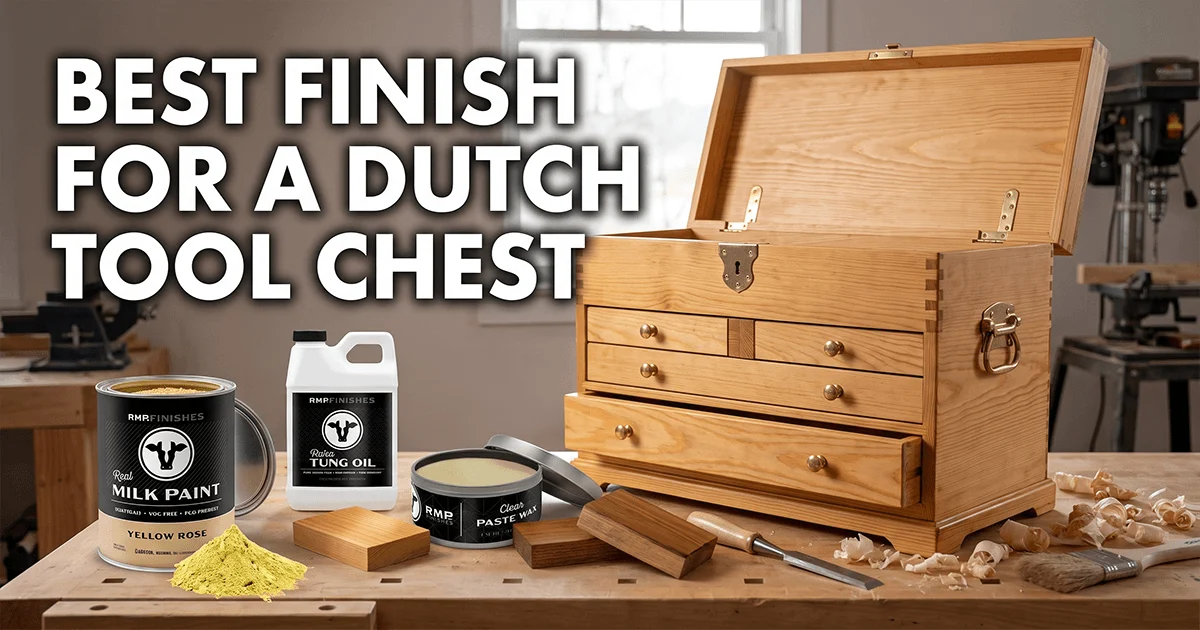
For most builds, the best options are milk paint, pure tung oil, paste wax, or a combination of these. The right choice depends on whether you want historic color, visible wood grain, a hand-rubbed sheen, or simple upkeep.
What Should a Dutch Tool Chest Finish Do?
A tool chest does not need a flawless, thick furniture coating. It needs a finish that resists normal workshop wear and stays practical over time. Look for one that:
- Protects against dust, fingerprints, minor moisture, and handling.
- Is easy to touch up after chips and scuffs.
- Does not leave sticky residue that could transfer to tools.
Milk Paint: Best for a Traditional Painted Tool Chest
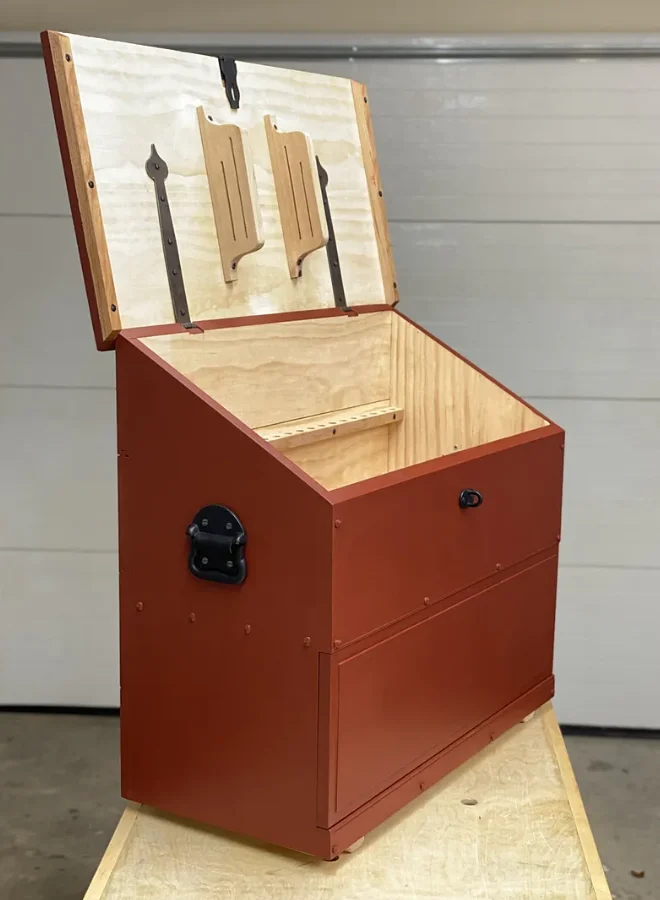
Milk paint is a natural match for a Dutch tool chest. It gives the exterior a low-luster, old-world appearance associated with traditional hand-tool woodworking while allowing you to choose a color that feels personal.
Deep green, navy, black, barn red, and muted blue suit this style and hide dust better than light paint.
Real Milk Paint® dries to a matte, velvety finish. On bare wood, the color can vary slightly from board to board, creating a look that feels lived-in rather than overly uniform. Mix thoroughly, test it on an offcut, and apply enough coats for even coverage.
Milk paint is easy to maintain. If the lid, corners, or handles get chipped, you can spot-paint those areas instead of stripping the entire chest.
Should You Add Wax Over Milk Paint?
Milk paint can be left alone for a dry matte look, but paste wax adds a smoother feel, soft sheen, and extra protection from handling marks. Clear wax helps preserve the paint color, while Brown wax adds a warmer, aged appearance and can make small scuffs less obvious on darker colors.
Apply wax in a thin coat with a clean cloth, let it haze according to product directions, then buff to an even sheen. This combination works especially well for a Dutch tool chest that stays indoors and sees regular workshop use.
Pure Tung Oil: Best for a Natural Wood Look
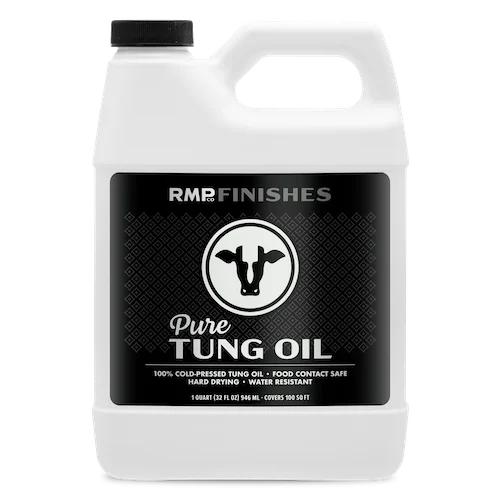
Pure tung oil is often the best all-around finish when you want the grain to remain visible. It penetrates porous wood fibers and cures to a durable, water-resistant finish rather than forming a thick surface film. The result is a warm, natural matte appearance that enhances color and grain.
This option works well for pine, hardwood, and quality plywood with a veneer worth showing. It is also practical for tool chests that will be carried often or stored in changing workshop conditions. Since tung oil is a penetrating finish, worn areas can be refreshed without stripping the project.
How to Apply Tung Oil to a Tool Chest
Start with clean, bare wood. Sand to about 150–220 grit, then remove sanding dust. Apply a thin, even coat with a lint-free cloth, brush, or sponge. Let the oil absorb, then wipe off all excess so the finish does not dry sticky or uneven.
Repeat with additional thin coats as the wood absorbs them. Three to five coats are generally a good starting point for an everyday tool chest. Watch how the surface responds rather than applying more oil than it can absorb.
Tung oil needs adequate curing time. It may feel dry earlier, but full curing can take several weeks. Keep the chest in a warm, well-ventilated area and avoid loading it with tools until the finish has hardened.
Always handle oil-soaked rags carefully. Lay them flat to dry in a safe, ventilated location or dispose of them according to local safety guidance. Never leave them bunched up.
Paste Wax: Best as a Final Touch or Maintenance Layer
Paste wax is useful for a Dutch tool chest, but it usually works best as part of a finishing system rather than as the only protective layer. It adds a smooth, hand-rubbed feel and a subtle sheen without creating a glossy plastic look.
Use paste wax over milk paint for a traditional painted finish that feels polished and is easy to refresh. Use it over fully cured tung oil for more luster and a smoother feel on lids, handles, and exterior panels.
RMP Finishes Paste Wax is available in Clear and Brown. Clear provides low-visibility protection over paint or natural wood. Brown can add a warmer patina and help blend minor scratches into darker wood or painted surfaces.
Wax is not the best standalone finish for a chest that regularly encounters water, heavy abrasion, or rough transport. It wears away faster than a penetrating oil and needs periodic reapplication. Renewal is simple: clean the surface, apply a very thin coat, and buff when dry.
Best Dutch Tool Chest Finish Combinations
1.) Traditional Option: Milk Paint + Paste Wax
Apply milk paint to the exterior, then protect it with clear or brown paste wax after it has dried. This creates a character-rich, low-sheen finish that is simple to touch up as the chest gets used.
2.) Natural Working Finish: Pure Tung Oil
Choose pure tung oil for visible grain, water resistance, and easy long-term maintenance. Build several thin coats, carefully remove excess oil, and allow enough curing time. It suits a chest that travels to classes, job sites, or woodworking gatherings.
3.) Refined Natural Look: Tung Oil + Paste Wax
Apply tung oil first and let it cure fully. Then use a thin coat of paste wax. This combination keeps the grain-enhancing effect of oil while giving the exterior a smoother hand-rubbed finish.
4.) Mixed-Finish Approach: Painted Exterior + Oiled Interior
The inside and outside do not need the same finish, especially when the chest’s interior is designed to keep tools organized and ready for safe storage. A milk-painted exterior offers traditional style and easy cosmetic repairs. Pure tung oil on tills, trays, and interior wood surfaces preserves the natural grain and keeps those areas easy to maintain. Many interiors also use French fittings, which give tools designated spots and sometimes specific holes for each tool, helping organize them securely in the chest. Removable or adjustable dividers can further support a well-organized workflow, with a main compartment for bulky tools and a lower tray or pull-out tray for smaller items. Some Dutch tool chests also include a secret fall front for additional storage.
How to Choose the Right Finish
Choose milk paint for historic character, color, and simple touch-ups. Choose pure tung oil for natural wood and a durable, easy-to-renew finish. Choose paste wax for added smoothness, a subtle sheen, or periodic maintenance.
If you are choosing a finish during the build, plans often stay simple: the construction depth traditionally matches a 1×12 board, both sides are cut at 30 degrees, and the chest can be built using common woodworking techniques suitable for beginners. Many chests use tongue-and-groove back panels to handle seasonal wood movement, often pair that with adjustable or removable interior dividers, and may add a slanted lid to shed dust, so finish those parts with that movement in mind.
Before finishing the full chest, test your chosen product on project offcuts. Wood species, sanding level, and the amount of finish absorbed can all affect the final color and sheen, and the level of depth in testing helps you avoid surprises.
Give Your Tool Chest a Finish That Works as Hard as You Do
For a traditional painted chest, use Real Milk Paint® and Paste Wax, a practical choice for a compact build that can hold nearly 90% of the tools of a traditional large chest. For a natural, durable finish that lets the wood show, choose RMP Finishes Pure Tung Oil. For extra richness and a smoother final feel, apply wax over fully cured tung oil.
Explore RMP Finishes’ Real Milk Paint® colors, Pure Tung Oil, and Paste Wax to build a finish system that protects your Dutch tool chest for years of woodworking.