image1 1

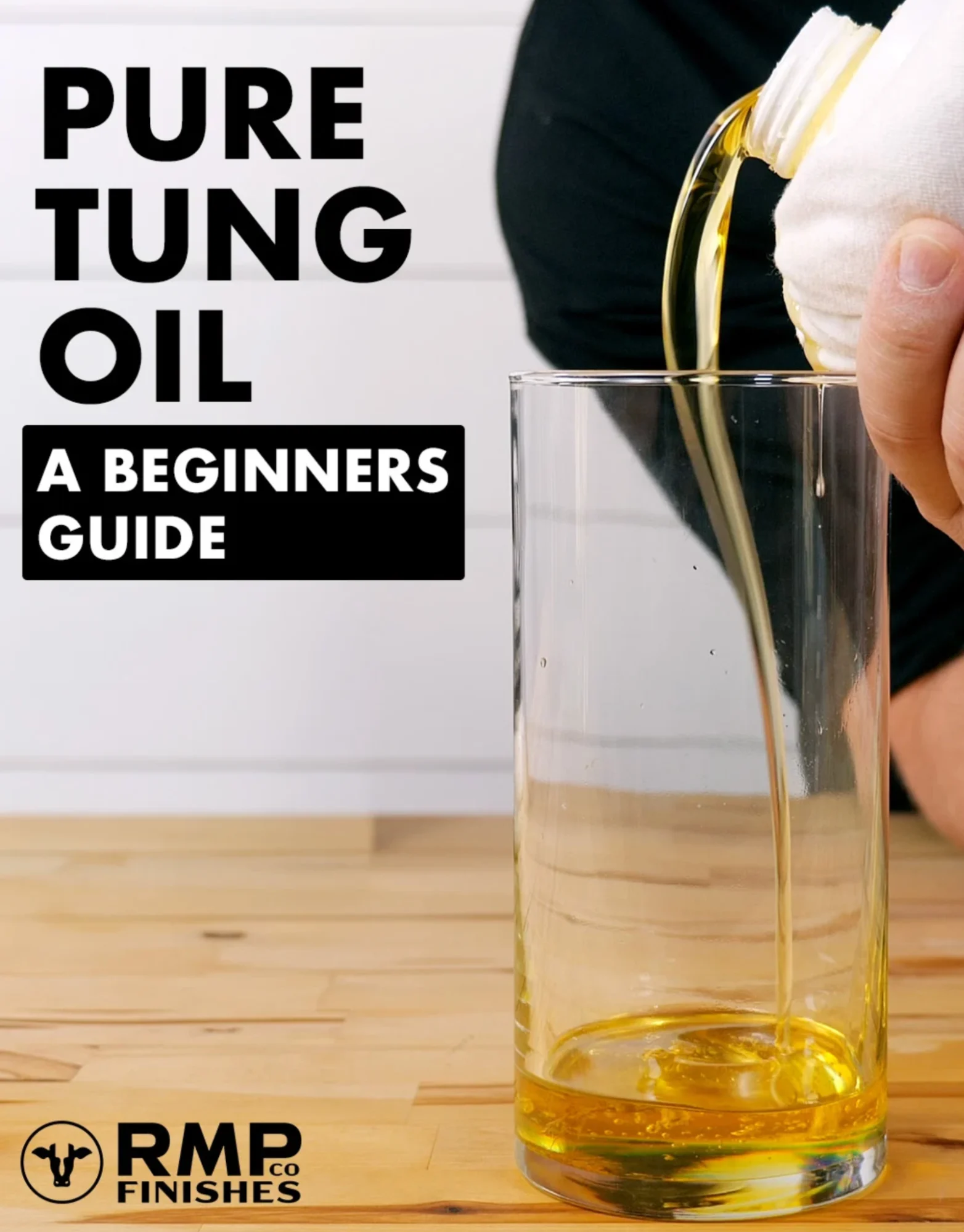
How to apply tung oil to wood? Pure tung oil has been trusted for centuries as one of the most durable, natural, and beautiful wood finishes available. If you’re new to tung oil and want a simple, step-by-step guide on how to use it, how much to buy, and what makes it different from other oils, you’re in the right place.

Whether you’re finishing a table, restoring floors, sealing butcher blocks, or reviving old furniture, this guide walks you through everything you need to know.

TL;DR – Quick Start Guide

  • What it is: A natural, polymerising drying oil pressed from tung tree seeds.
  • Why it’s great: Waterproof, flexible, food-safe when cured, non-toxic, and enhances grain with a warm matte finish.
  • How to apply: Clean → thin (if needed) → apply multiple wet coats → wipe off excess → let cure.
  • Curing time: Light use after 7–10 days; full cure in 15–30 days.
  • Best uses: Furniture, floors, cutting boards, countertops, guitars, toys, concrete, bamboo, and more.
  • Beginner options: Try Half & Half or Dark Half for easier application.

What Is Tung Oil?

Pure tung oil is a natural drying oil extracted from the nuts of the tung tree, native to China and Southeast Asia. When exposed to oxygen, it polymerizes into a hard, flexible, and water-resistant finish — one reason it has been used on wooden boats and outdoor structures for well over a thousand years.

It’s important to differentiate pure tung oil from many store-bought “tung oil finishes”, which often contain varnish, additives, dryers, or mineral oils. Pure tung oil contains no additives, no driers, and no synthetic resins.

Why Use Pure Tung Oil? Key Benefits for Beginners

Tung oil is popular among woodworkers, hobbyists, and DIY beginners because it offers a rare combination of beauty, durability, and simplicity.

Top Benefits

  • Naturally waterproof and highly water-resistant.
  • Flexible and durable, so it won’t crack or craze.
  • Will not go rancid, mould, or darken unpredictably like some other oils.
  • Food-safe when fully cured; ideal for cutting boards and kitchenware.
  • Cures to a warm matte sheen that deepens the grain.
  • Non-toxic, biodegradable, and solvent-free in its pure form.

Why beginners like it:
It’s forgiving, easy to maintain, and requires no sanding between coats.

Pros

  • Beautiful natural finish
  • Food-safe
  • Strong, flexible, waterproof
  • Easy long-term maintenance

Cons

  • Requires multiple coats
  • Longer curing time than film finishes, such as polyurethane

Pure vs Dark Tung Oil – What’s the Difference?

Both products start with the same pure tung oil base. The difference lies in color and final appearance.

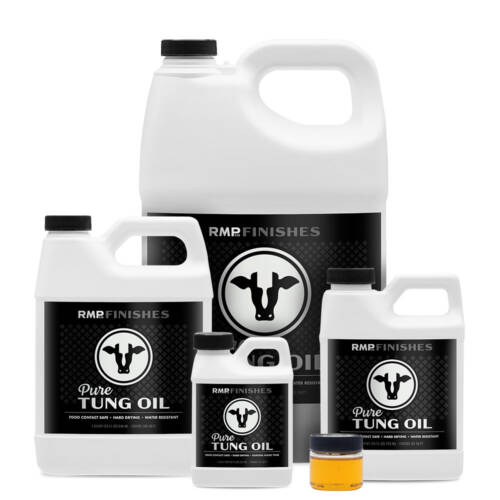
Pure Tung Oil

  • No additives
  • Dries to a warm honey colour
  • Best for light woods, Scandinavian finishes, and natural looks

Best for: cutting boards, butcher blocks, maple furniture, floors, toys, and bamboo.

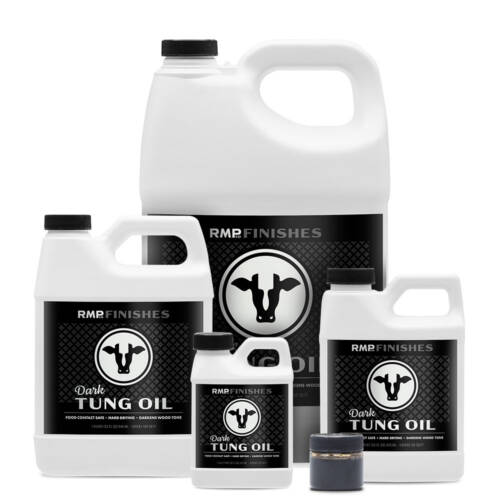
Dark Tung Oil

  • Pure tung oil mixed with a natural PCB-free resinous hydrocarbon for richer colour
  • Delivers a deeper, aged, antique look
  • No carcinogens or metal driers

Best for: rustic furniture, walnut, darker woods, reclaimed timber, and vintage-style finishes.

Where Can You Use Tung Oil? (Common Projects & Surfaces)

Tung oil works on more surfaces than most people realize. Its ability to penetrate and polymerize makes it suitable for many porous materials.

Beginner-Friendly Projects

  • Furniture, tables, and chairs
  • Worktops and butcher blocks
  • Cabinets and shelving
  • Cutting boards, bowls, and kitchenware
  • Floors and stair treads
  • Guitars, instruments, and wooden crafts
  • Children’s toys (food-safe once cured)

Other Compatible Surfaces

  • Bamboo
  • Concrete
  • Stone
  • Brick
  • Metal (rust inhibition)

If using tung oil on food-contact surfaces, allow full cure (15–30 days).

How Much Pure Tung Oil Do You Need?

A gallon of pure tung oil covers roughly 400 square feet of surface per coat, though absorption depends on the material.

Typical Coverage Reference

Project Type Approx. Area Coats Needed Approx. Oil Needed
Small furniture 20–40 sq ft 2–4 coats 4–12 oz
Dining table 40–60 sq ft 3–5 coats 12–20 oz
Butcher block 10–20 sq ft 3–5 coats 8–16 oz
Wood floors (room) 300–400 sq ft 3–5 coats 2–3 gallons
Concrete/stone varies 3–5 coats generally more due to porosity

To remove the guesswork, use the Finishing Oil Calculator.

How to Apply Pure Tung Oil to Wood (Step-by-Step)

For the best results, start with a clean, bare surface.

  1. Remove any existing varnish or finish by sanding or stripping.
  2. If greasy or dirty, wash with trisodium phosphate (TSP).
  3. Sand to around 150-grit for good absorption.
  4. Vacuum thoroughly to remove dust.

Tung oil must be applied to bare wood or previous layers of pure tung oil.

Thinning helps the first coat penetrate deeply and dry more evenly.

Mix 1:1 with:

⚠️ Do not use “green,” “eco-friendly,” or “green-labelled” solvents – they often do not mix with tung oil and may cause curing issues.

When NOT to thin:

  • Old, unfinished wood
  • Weathered outdoor wood
  • Concrete
  • Very porous surfaces

Beginner alternatives:
Use pre-thinned options Half & Half or Dark Half straight from the bottle.

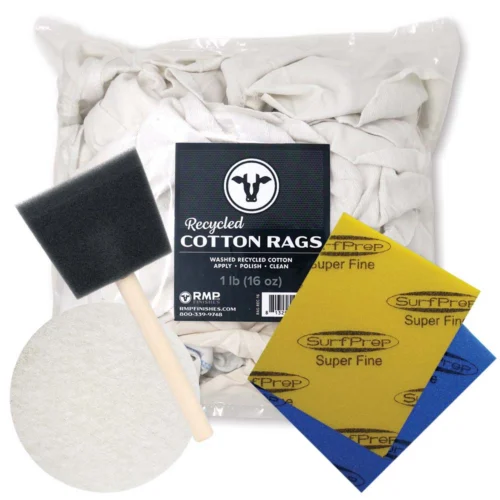
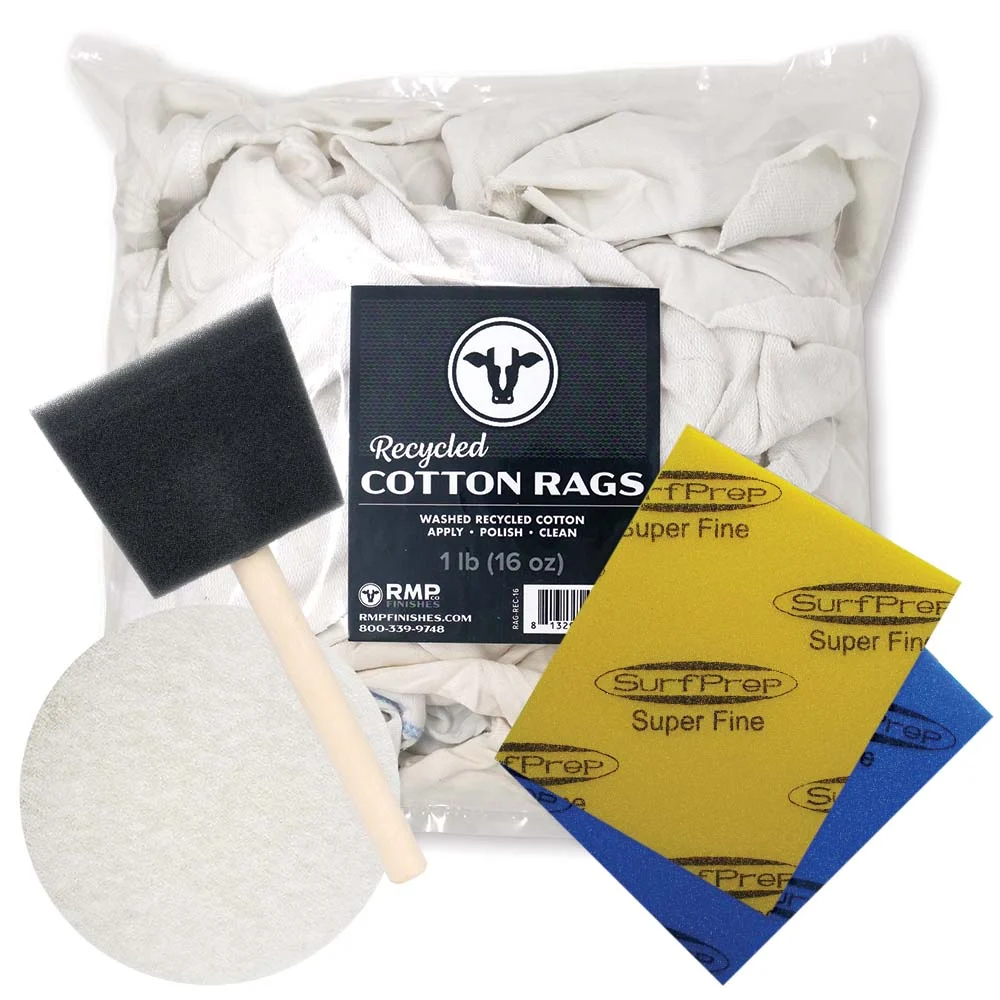
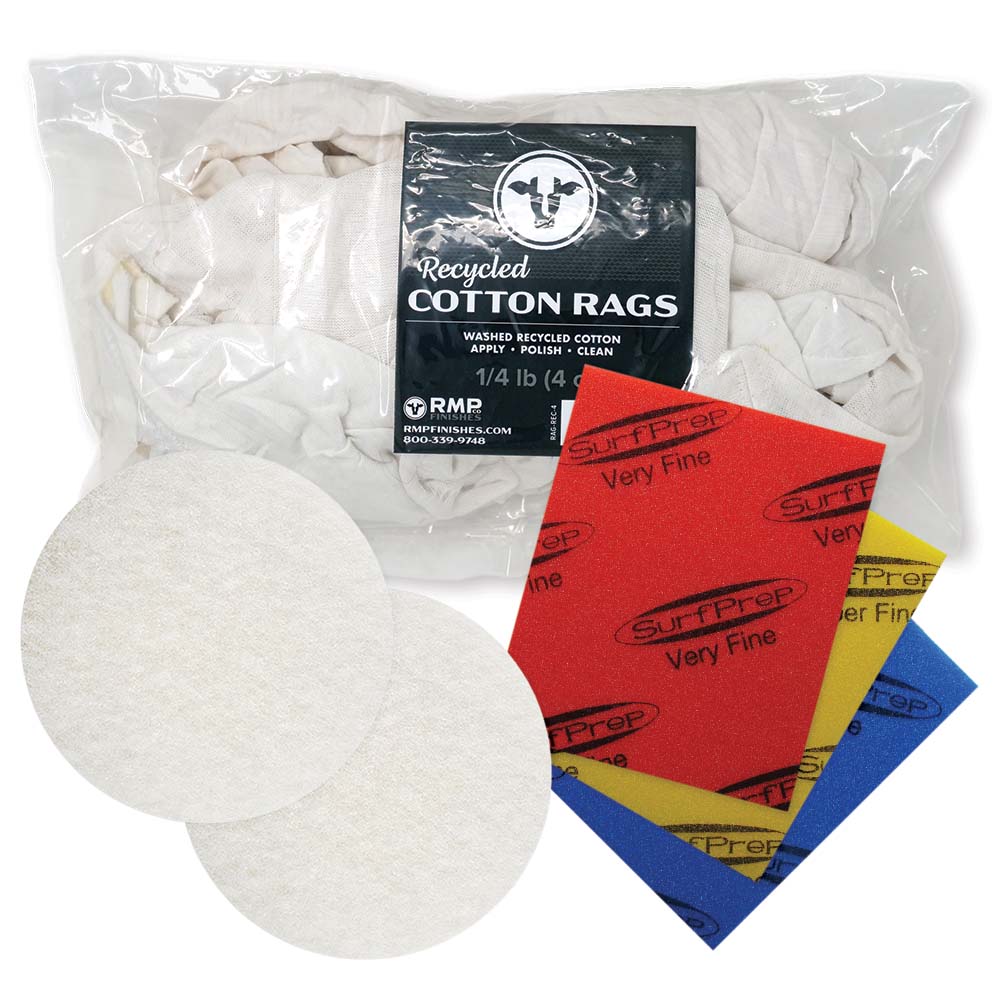
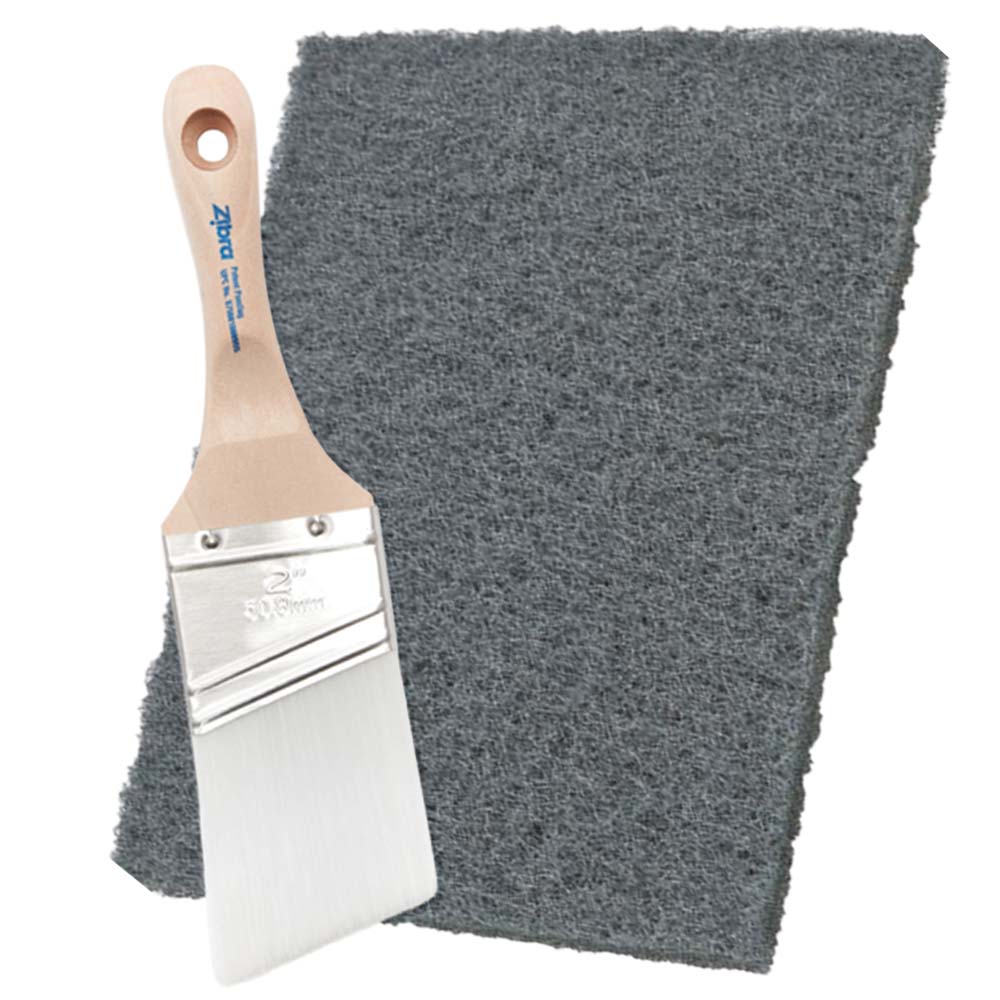
Use a natural bristle brush, sponge brush, or lint-free cloth.

  • Apply the oil liberally until the surface looks wet.
  • Tung oil should soak in – the goal is full saturation, not a surface film.
  • Allow the coat to absorb before adding more.
Continue applying coats as long as the surface keeps absorbing oil.

  • Wait about 40 minutes between coats.
  • Reapply while the surface still looks slightly wet.

You’ve reached saturation when 80% of the surface remains glossy after 40 minutes, meaning the fibres can’t absorb more.

Recommended number of coats:

  • Decorative items: 2–4 coats
  • Floors, countertops, high-wear items: 3–5+ coats

After saturation:

  • Wipe the entire surface with a clean cloth.
  • Remove all puddles and shiny spots.
  • Leaving oil on the surface will cause stickiness or uneven curing.

Safety note: Oil-soaked rags can combust if balled up – hang them flat outdoors to dry before disposal.

Tung oil dries slowly but cures into a tough, waterproof finish.

Curing timeline:

  • 7–10 days: light use permitted
  • 15–30 days: full cure
  • Avoid direct sunlight for extended periods during initial curing
  • For floors: walk with clean shoes only, avoid heavy furniture initially

Check daily for any oil seepage and wipe it off.

Once cured, pure tung oil is very easy to maintain.

  • Clean with hot water and dish soap.
  • Avoid harsh chemicals or abrasive pads in the early days of curing.

High-traffic surfaces benefit from occasional replenishing.

  • Mix 2 parts thinner with 1 part tung oil.
  • Wipe on a thin coat, let it absorb briefly, and wipe off the excess.
  • Use annually on floors, or as needed on furniture, butcher blocks, and craft items.

Myths and Facts About Pure Tung Oil

Fact: While it’s true it takes tung oil a little longer to dry than lesser oils, and you’ll need to put in a little more effort to achieve the perfect finish, all that time on the front end means a long-lasting, more brilliant result you’ll enjoy for years to come. Remember, fast-drying oils leave you no time to correct mistakes, and that’s a lot of pressure when you value quality over speed.

Fact: Many people think tung oil only just emerged in 1965, when Homer Formsby put his special tung-oil based formulation on the market. While we undoubtedly owe a lot to Formsby for popularizing this incredible oil, his product was a slight reinvention of an oil first found in writings by Confucius way back in 500 B.C. There’s a reason tung oil is also known as China wood oil. The Chinese have long turned to the tung nut as a treatment for a variety of ailments, as well as a waterproofing agent for their handmade boats. Today, we’re able to use this ancient “secret” to give all kinds of woodworking crafts and up-cycled furniture a gorgeous new look.

Fact: If you process flax seeds, you get linseed oil, a compound with a storied history almost as long as the one associated with tung oil, but the comparisons stop there. While linseed oil may be cheaper, it also has added metal compounds and dries faster. The latter may seem like a good thing, but it can make an even finish harder to come by unless you’re committed to working at a furious pace.

BLO is also prone to yellowing with age and can go rancid or even lead to mildew. Tung oil, on the other hand, retains some flexibility when it hardens — ideal for wooden joints and the like — and has waterproofing qualities that keep your beautiful finish intact.

Fact: Tung nuts are actually the seeds inside the fruit of the tung tree. They fall into a category called “drupes,” which also includes other fleshy fruits surrounding a “pit” or shelled seed, such as cherries, plums, peaches, and even almonds and pecans. It’s not at all unusual for someone who has a tree nut allergy to be perfectly fine with consuming drupes. Peanuts, by the way, are technically legumes. Even if you can’t eat peanut butter, you may be able to safely enjoy coconut, peaches, pistachios, and yes, even tung nuts and the resulting oil.

Frequently Asked Questions About Tung Oil

Most projects need 2–4 coats, while floors and high-wear surfaces perform best with 3–5 coats or more. Reapply until the surface stops absorbing oil.

No sanding is required between coats. Tung oil penetrates rather than forming a film, so additional coats bond naturally.

Drying begins within 24 hours. Light use is safe after 7–10 days, and full cure occurs within 15–30 days.

Yes – once fully cured, pure tung oil is food-safe and ideal for kitchenware, cutting boards, and butcher blocks.

No. Tung oil must penetrate the surface, so the wood must be stripped or sanded back to bare wood first.

Explore related products:

Want a deeper dive into wood finishing? Download the Free Tung Oil Buyers Guide for application tips, project examples, and advice on choosing the right finishing oil.
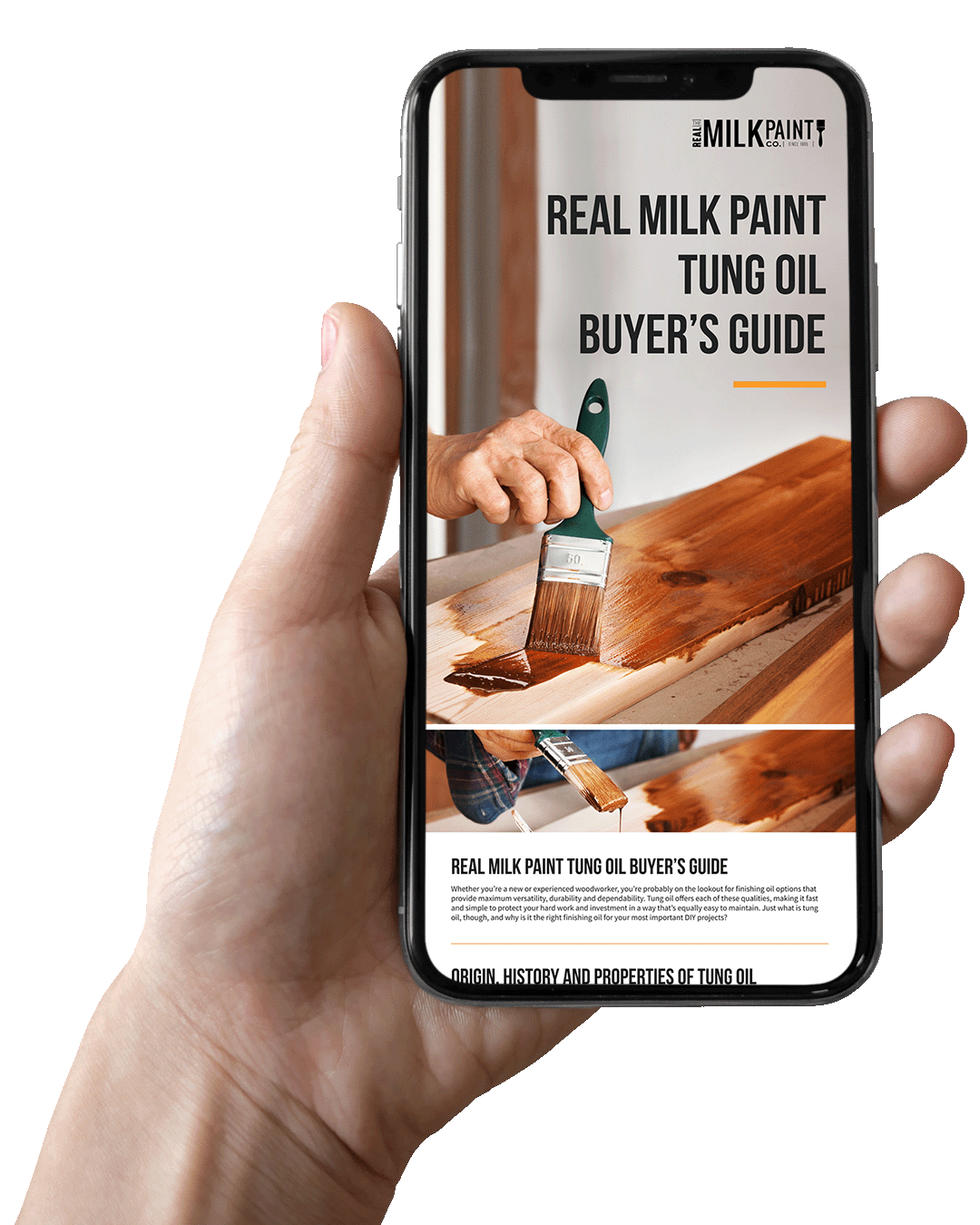
Become A Tung Oil Pro

Download your FREE Tung Oil Buyers Guide

Become a Tung Oil Pro

How to Use Tung Oil – Key Takeaways

  • Pure tung oil is a natural, polymerizing oil that creates a flexible, waterproof, food-safe finish.
  • Suitable for almost any wood project – furniture, floors, cutting boards, countertops, toys, and more.
  • The basic process: clean the surface, thin when needed, apply multiple wet coats, wipe excess, and allow 15–30 days for full cure.
  • No sanding is needed between coats; never leave puddles on the surface.
  • Pre-thinned options like Half & Half or Dark Half make application easier for beginners.
  • Light maintenance with a thinned mix keeps the wood nourished and looking fresh.

Where to Buy Pure Tung Oil and Related Finishes

For 30 years, customers have trusted RMP Finishes to offer pure, non-toxic, environmentally friendly tung-oil products trusted by beginners and professionals alike. Whether you’re sealing kitchenware, restoring furniture, or finishing a full set of floors, you’ll find everything you need.

Shop Pure Tung Oil

Have questions? Call 800-339-9748 – our team is happy to help.